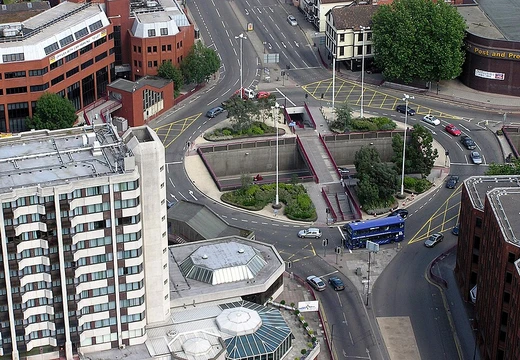
Airport
An aerodrome with extended facilities for commercial air transport.

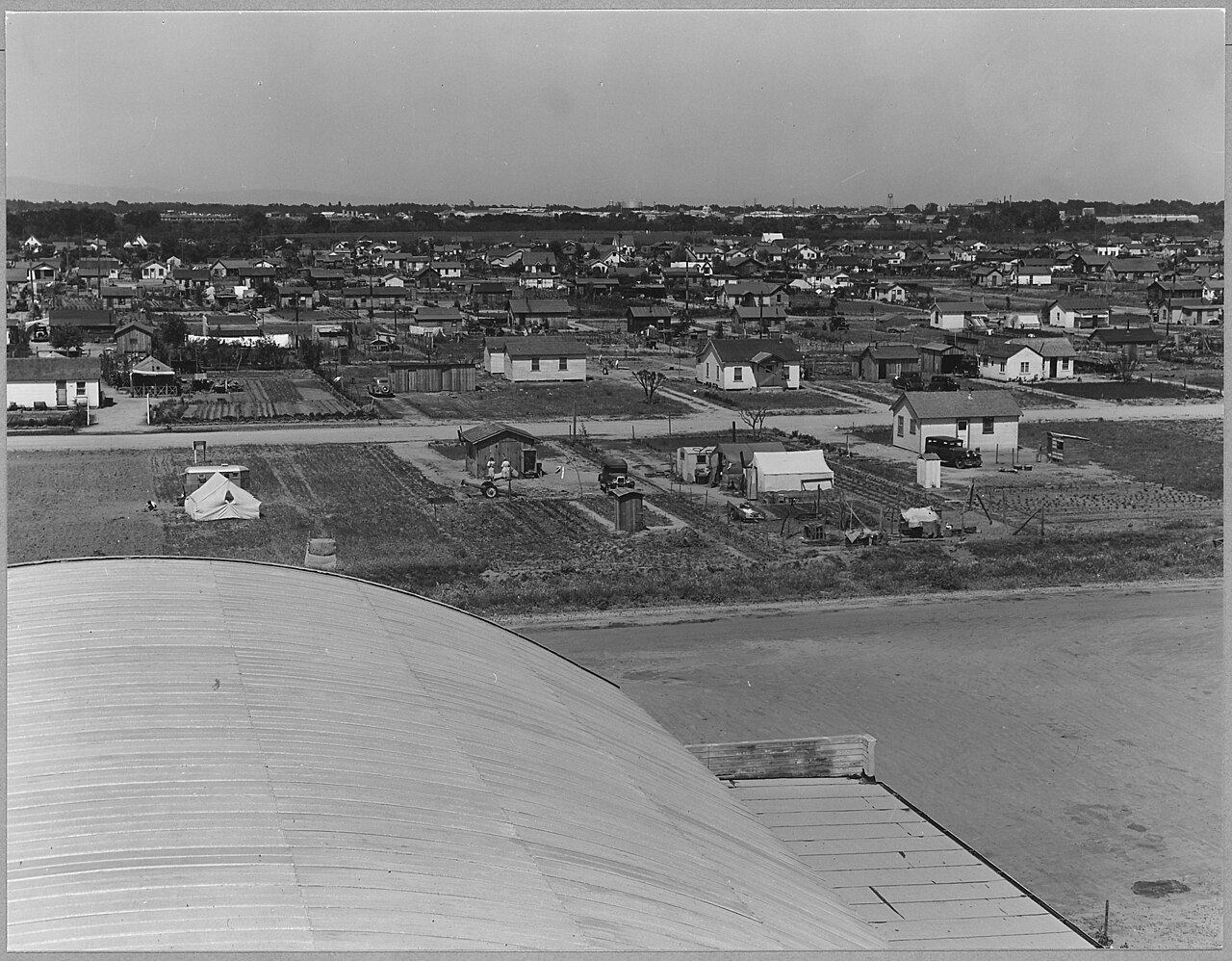
Dorothea Lange · Public domain
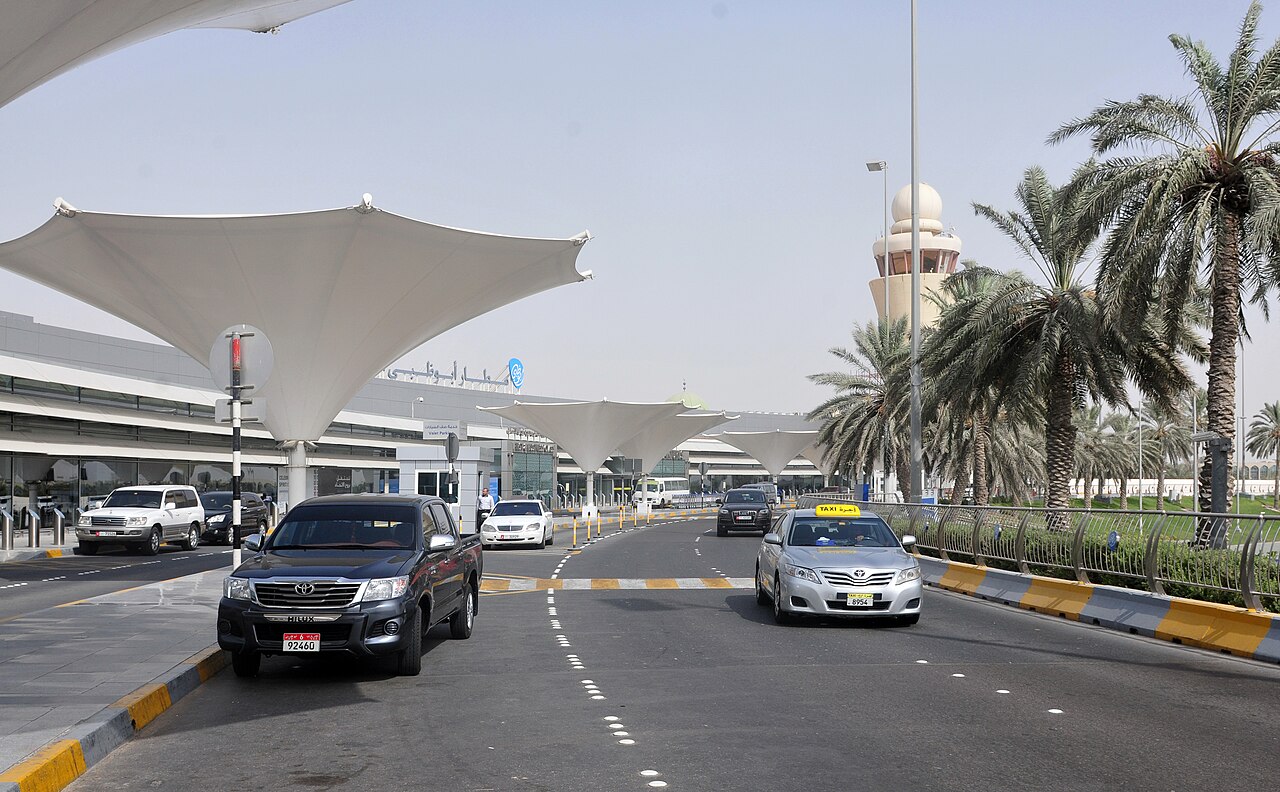
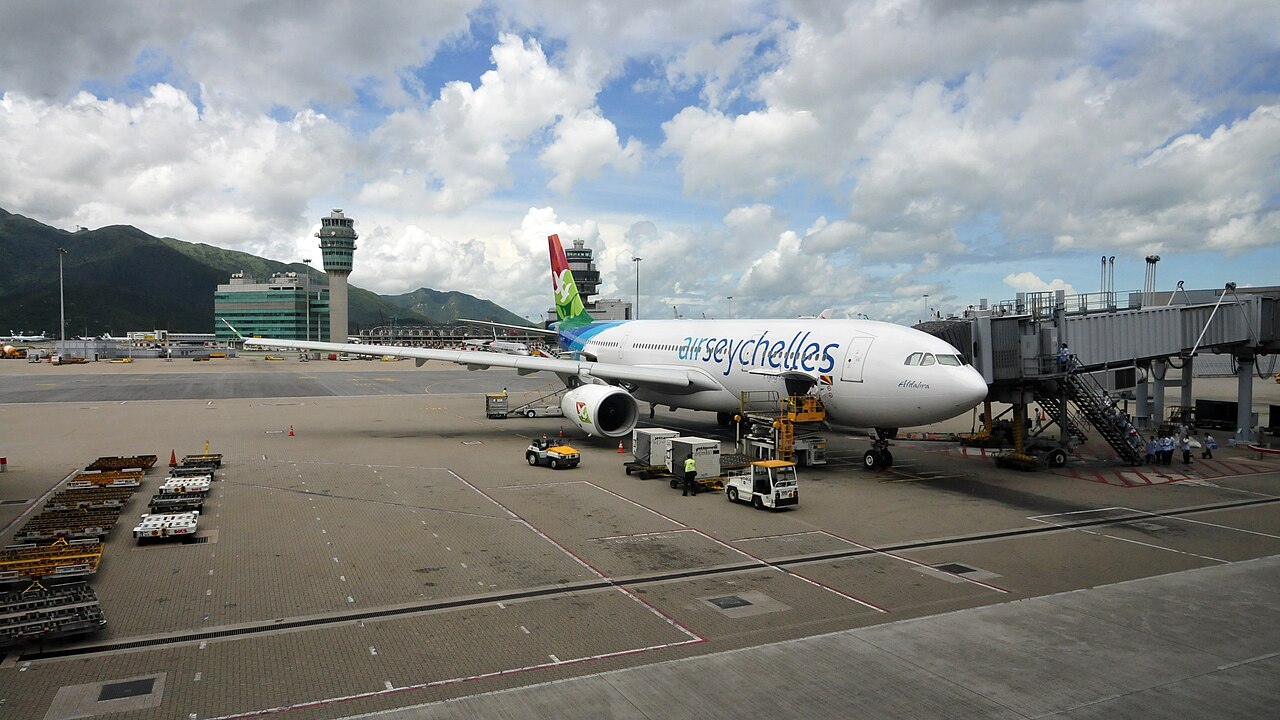
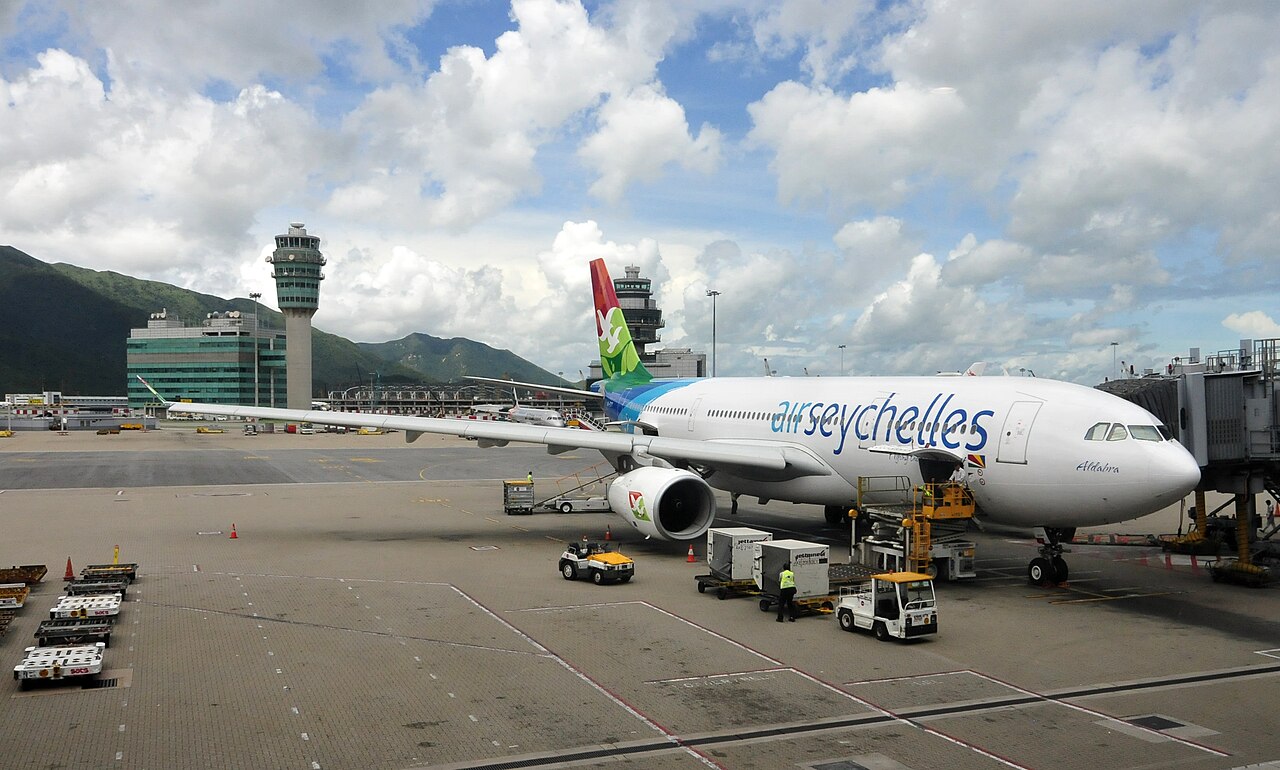
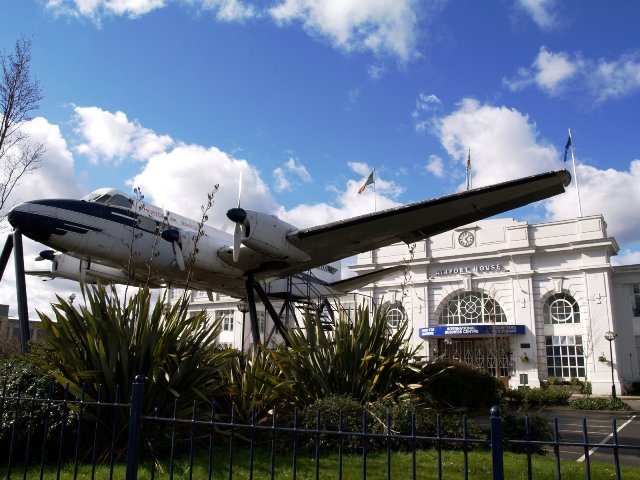
An airport is an aerodrome with extended facilities, mostly for commercial air transport. It typically consists of a landing area with at least one operationally active surface such as a runway or helipad, and often includes utility buildings like control towers, hangars, and terminals. Larger airports may have aprons, taxiway bridges, air traffic control centers, passenger facilities, and emergency services. Airport operations are complex, involving aircraft support, passenger services, and control services, making airports major employers and hubs for tourism and transit. They are subject to regulations and safety measures due to heavy machinery, and have significant local environmental impacts, including air and noise pollution, while being vulnerable to extreme weather and climate change.
- definition
- An aerodrome with extended facilities for commercial air transport
Lore & Background
All airports are aerodromes, but not all aerodromes are airports; in some jurisdictions, 'airport' is a legal term reserved for certified aerodromes. In US technical usage, 'landing area' is used instead of aerodrome, and 'airport' means a landing area used regularly for receiving or discharging passengers or cargo.
Reader's Guide
Airports are critical infrastructure for global transportation, serving as hubs for commercial air travel, tourism, and cargo. Their operations are complex, involving numerous support services and strict safety regulations. Airports generate revenue through aeronautical sources (landing fees, parking) and non-aeronautical sources (retail, parking, advertising), with many being local monopolies subject to price-cap regulation. They are divided into landside (public) and airside (controlled) zones, with security measures including baggage checks and metal detectors, which have intensified since the September 11 attacks. Airports also have major environmental impacts, contributing to air and noise pollution, and are vulnerable to climate change effects like sea level rise.
A Discipline of Movement
Transportation engineering is a field that applies engineering and scientific principles to the full lifecycle of transportation systems, from initial planning through design, construction, maintenance, operation, and management. The ultimate goal is ensuring the safe, efficient, rapid, comfortable, convenient, economical, and environmentally compatible movement of both people and goods. The discipline spans an impressive range of systems: highways, railways, air transport, pipelines, and waterways. It also extends into travel demand forecasting, traffic operations, logistics, network analysis, financing, and transportation policy. Within this broad umbrella, several subdisciplines have emerged, including highway engineering, railroad engineering, port and harbor engineering, and airport engineering. The field is not limited to ground-based systems either; its scope even touches on space transportation. At its core, transportation engineering is about sizing facilities appropriately, selecting the right materials and pavement thicknesses, and designing the geometry—both vertical and horizontal alignment—of roadways or tracks to serve public needs effectively.
Reading the Future: Planning and Forecasting
Before any physical construction begins, transportation engineers must engage in a rigorous planning process rooted in both technical analysis and political considerations. Central to this work is the urban transportation planning model, which requires estimating trip generation, trip distribution, mode choice, and route assignment. More sophisticated analyses incorporate additional traveler decisions such as auto ownership, trip chaining (linking individual trips into a continuous tour), and even the choice of where to live or work, a process known as land use forecasting. Passenger trips receive particular attention because they typically represent peak demand on any given system. Before planning can proceed, engineers conduct what is called an inventory of the area or existing system, gathering data on population, land use, economic activity, transportation facilities, travel patterns, laws, regional financial resources, and community values. These inventories form the foundation for business models that produce accurate forecasts of future system conditions. The National Council of Examiners for Engineering and Surveying maintains standards covering safety protocols, geometric design requirements, and signal timing that guide this work.
Keeping Things Moving: Operations and Management
Once transportation facilities are built, the focus shifts to operations and management, a domain where traffic engineering plays a central role in ensuring vehicles move smoothly along roads or tracks. Traditional tools for managing flow include signs, signals, road markings, and tolling systems. However, the field has evolved significantly with the advent of intelligent transportation systems. These newer technologies encompass advanced traveler information systems such as variable message signs, advanced traffic control systems like ramp meters, and vehicle infrastructure integration that connects drivers directly to the road network. Human factors also occupy an important place in transportation engineering, particularly regarding the driver-vehicle interface and the user experience of road signs, signals, and markings. In the highway specialization specifically, engineers analyze locations with high traffic volumes and collision rates to improve both safety and capacity, while also estimating public transportation needs and securing funding for projects. The three design controls they work with are the drivers, the vehicles, and the roadways themselves, and their work extends to related bicycle and pedestrian realms as well.
Engineering the Sky: The Airport Specialization
Airport engineering stands as a distinct subdiscipline within transportation engineering, dedicated to the design and construction of airports. Unlike other specializations, airport engineers must account for the unique impacts and demands of aircraft when shaping facility design. A critical first step involves analyzing the predominant wind direction to determine the proper orientation of runways. Engineers must then determine the size of runway borders and safety areas, calculate the appropriate wing-tip-to-wing-tip clearances for all gates, and designate clear zones across the entire airport property. The structural design work falls to civil and structural engineers within the Civil Engineering Department, who are responsible for passenger terminals, cargo terminals, aircraft hangars for commercial, private, and government aircraft, runways and other pavements, and technical buildings that house airport ground aids. This work serves both in-house requirements and consultancy projects. Airport engineers also carry responsibility for the master plan of the airports they are authorized to work with, ensuring that every element, from the smallest gate clearance to the overall facility layout, serves the safe and efficient movement of air traffic.
Gallery

Frequently Asked Questions
What exactly is an airport in transportation engineering?
In this field, an airport is defined as an aerodrome that goes beyond a simple landing strip by adding extended infrastructure dedicated to commercial air transport. That infrastructure typically includes at least one active runway or helipad, plus supporting structures such as control towers, hangars, terminals, and passenger facilities.
Why do airports matter beyond just flying planes?
Because they bundle aircraft support, passenger services, and air-traffic control into one site, airports become major local employers and critical nodes for tourism and intercity transit. Their operational complexity makes them a central topic in transportation engineering curricula.
More in Transportation Engineering 1-17
Spotted an error? Know more?
This is a living reference — every entry is fact-audited, and reader corrections feed straight into our audit queue. Suggest an edit · See this site's audit record