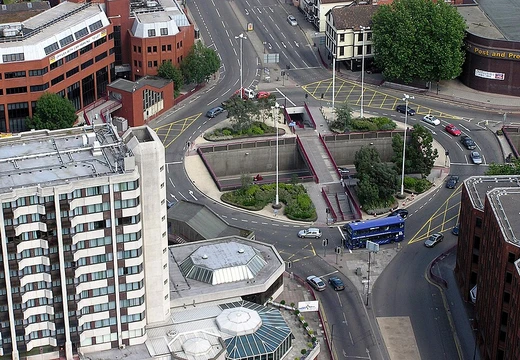
Aircraft
A vehicle that flies by gaining support from the air.

Dinkun Chen · CC BY-SA 4.0
An aircraft or aerial vehicle is a vehicle that can fly by gaining support from the air, countering gravity through static lift, dynamic lift from an airfoil, or direct downward thrust. Common examples include airplanes, drones, rotorcraft, airships, gliders, paramotors, and hot air balloons. The human activity surrounding aircraft is called aviation, and the science of designing and building them is aeronautics.
Lore & Background
The history of aviation spans over two millennia, from early innovations like kites and tower jumping to supersonic and hypersonic flight. Kite flying in China, dating back several hundred years BC, is considered the earliest example of man-made flight. In the 15th century, Leonardo da Vinci created flying machine designs, but they were unworkable due to contemporary knowledge limitations. In the late 18th century, the Montgolfier brothers invented the hot-air balloon, leading to manned flights, and the discovery of hydrogen gas led to the hydrogen balloon. Physicists' work on fluid dynamics and Newton's laws of motion contributed to modern aerodynamics, notably by Sir George Cayley.
Reader's Guide
Aircraft have fundamentally transformed transportation, warfare, and global connectivity. From the earliest kites and balloons to modern jet aircraft and drones, the development of aircraft represents a continuous interplay of scientific discovery and engineering innovation. Subsequent advances in engine technology, aerodynamics, and digital electronics—including fly-by-wire systems—have made aircraft faster, safer, and more versatile. The 21st century has seen the widespread use of pilotless drones for military, commercial, and recreational purposes, and computerized controls have made inherently unstable designs like flying wings practical.
Did You Know?
- Kite flying in China, dating back several hundred years BC, is considered the earliest example of man-made flight.
Scope and Multifaceted Purpose
Transportation engineering sits at the intersection of applied science and public infrastructure, governing how people and goods move through the built environment. At its core, the discipline applies engineering and scientific principles across the entire lifecycle of transportation systems—from initial planning through design, construction, ongoing maintenance, daily operation, and long-term management. The objectives are deliberately broad: movement must be safe, efficient, rapid, comfortable, convenient, cost-effective, and environmentally responsible. The scope is remarkably wide, spanning highway networks, railway lines, air corridors, pipeline systems, and waterways. Beyond physical infrastructure, the field also embraces travel demand forecasting, traffic operations, logistics, network analysis, financing strategies, and transportation policy. In essence, transportation engineering is not a single trade but an umbrella discipline that unifies multiple subfields under a shared commitment to moving society forward safely and sustainably.
Planning, Forecasting, and the Inventory Process
The planning dimension of transportation engineering draws heavily on urban planning principles while weaving in technical forecasting and political considerations. At the heart of passenger travel forecasting lies the urban transportation planning model, which requires engineers to estimate trip generation, trip distribution, mode choice, and route assignment. More sophisticated analyses extend to auto ownership decisions, trip chaining—where individual trips are linked into a single tour—and even the selection of residential or business locations, a process known as land use forecasting. Passenger trips receive particular attention because they typically represent peak demand on any given system. Before any planning begins, engineers conduct what is called an inventory of the area or existing system, gathering data on population, land use, economic activity, existing facilities, travel patterns, legal frameworks, financial resources, and community expectations. These inventories feed into business models that produce accurate forecasts of future system conditions, ensuring that new infrastructure aligns with realistic demand projections.
Specializations Across Modes of Transport
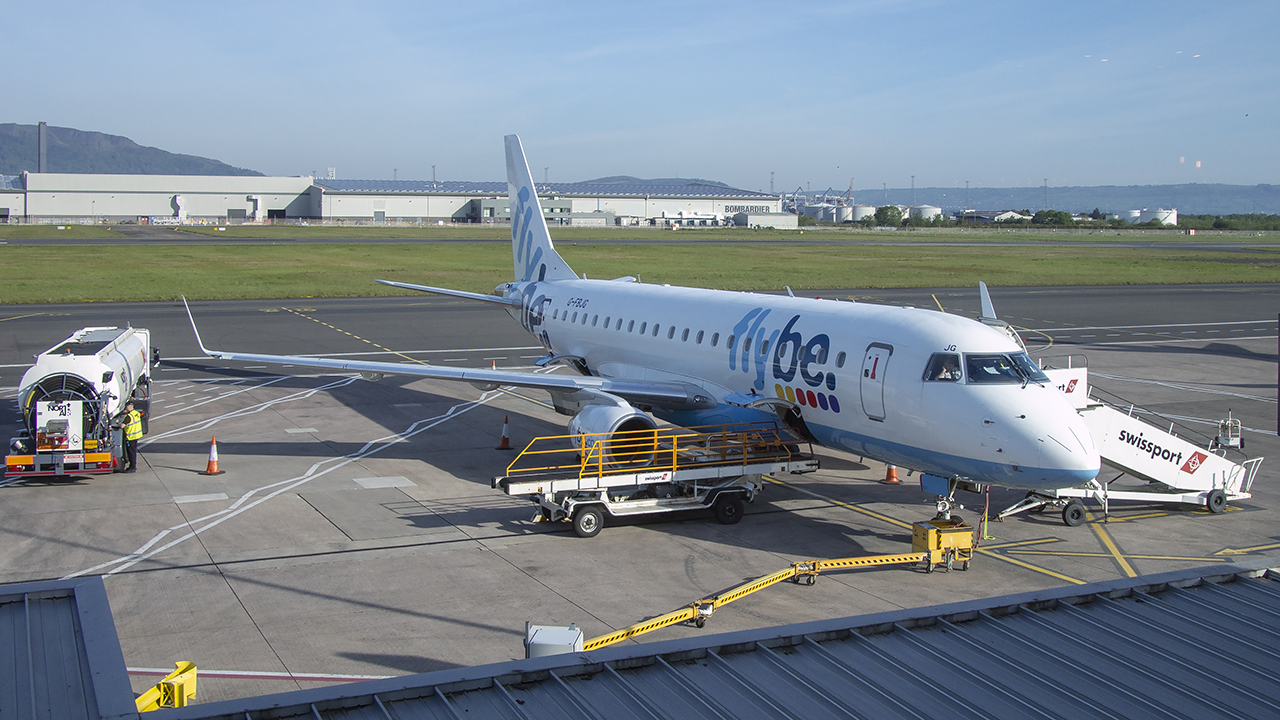
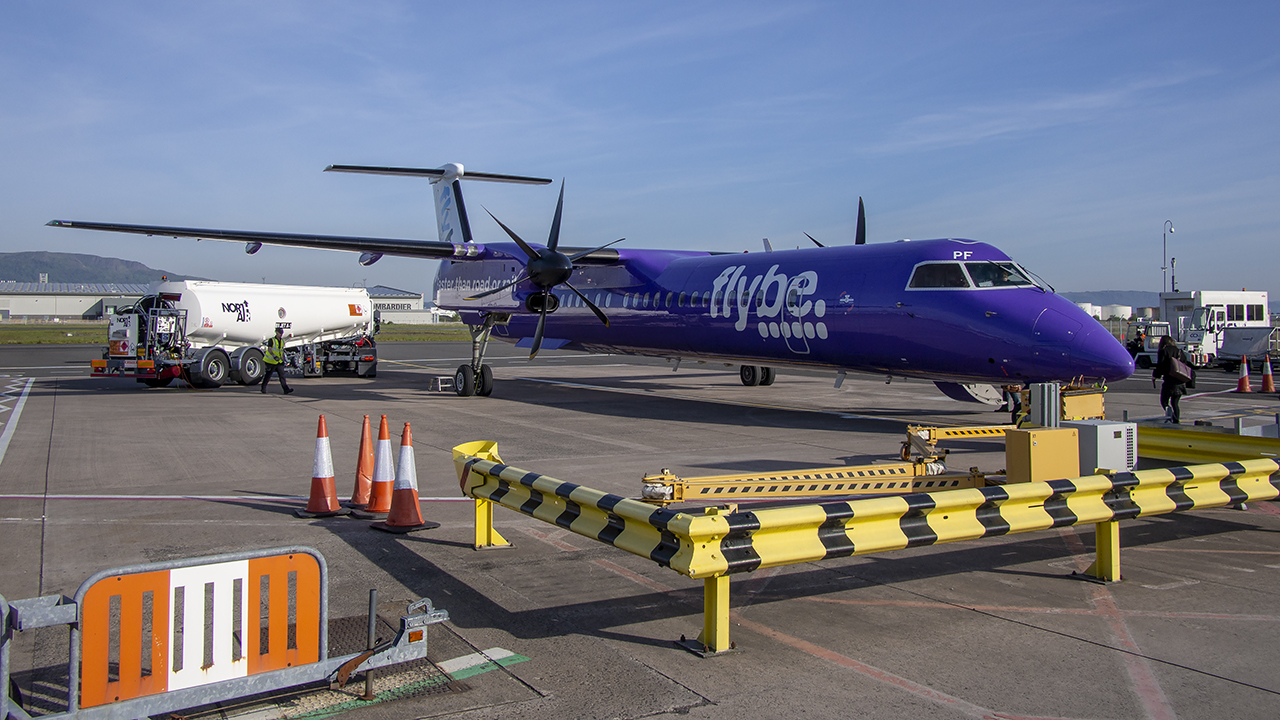
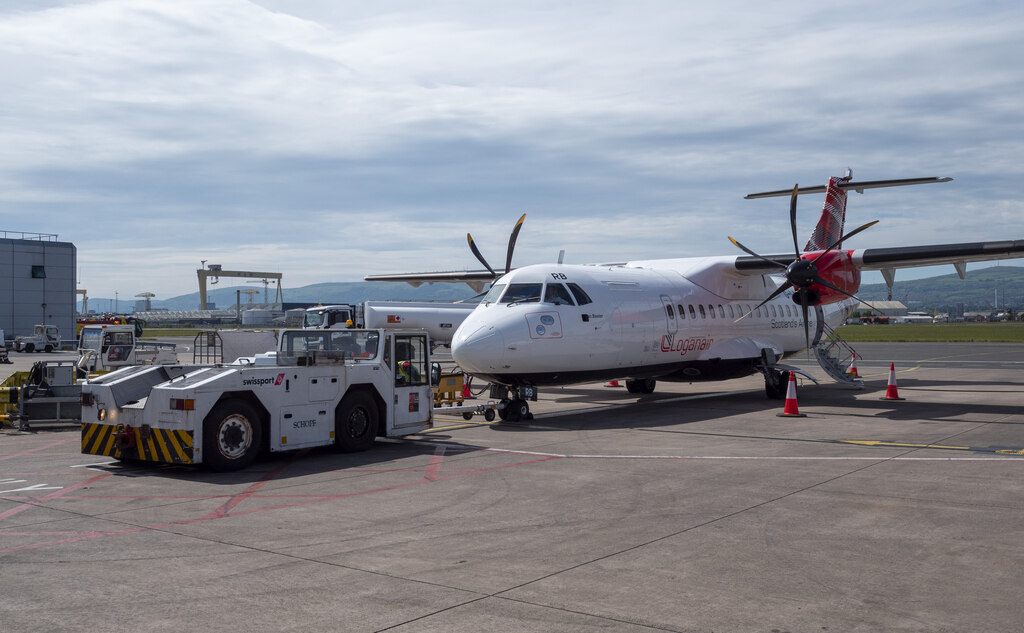
Transportation engineering branches into several distinct specializations, each with its own technical demands. Highway engineers manage the full lifecycle of roads and vehicular facilities, including adjacent bicycle and pedestrian infrastructure. They estimate public transportation needs, secure project funding, analyze high-volume and high-collision locations for safety and capacity, and apply three fundamental design controls: the drivers, the vehicles, and the roadways themselves. Railroad engineers focus on fixed-guideway systems—conventional rail, light rail, and monorails—determining horizontal and vertical alignment, station placement, and functional station segments like platforms and lines. They also estimate construction costs and, in the United States, collaborate with elected officials in Washington, D.C., on national rail policy. Some railroad engineers transition into train dispatching, concentrating on movement control. Port and harbor engineers design and operate maritime facilities including canals, while airport engineers must account for aircraft impacts, wind direction for runway orientation, wingtip clearances, and the structural design of terminals, hangars, and ground support infrastructure.
Operations, Intelligent Systems, and Design Controls
The operational and management side of transportation engineering centers on keeping vehicles moving smoothly across roads and tracks. Traditional tools include signage, traffic signals, pavement markings, and tolling mechanisms. Modern practice has expanded dramatically through intelligent transportation systems, which encompass advanced traveler information systems like variable message signs, advanced traffic control systems such as ramp meters, and vehicle-infrastructure integration technologies. Human factors play a critical role, particularly in the design of the driver-vehicle interface and the user experience of road signs, signals, and markings. On the design side, engineers must determine facility sizing—how many lanes or how much capacity a corridor requires—select appropriate materials and thicknesses for pavement, and establish the vertical and horizontal geometry of roadways or tracks. The National Council of Examiners for Engineering and Surveying maintains online references for safety protocols, geometric design requirements, and signal timing, underscoring the regulatory backbone that supports these engineering decisions.
Gallery


Frequently Asked Questions
What is an aircraft in transportation engineering?
An aircraft is any vehicle that stays aloft by drawing support from the surrounding air rather than from the ground. It counters gravity through static lift, dynamic lift produced by an airfoil, or direct downward thrust.
What are the main types of aircraft?
Common examples include airplanes, drones, rotorcraft, airships, gliders, paramotors, and hot air balloons. All share the core trait of using the atmosphere to generate lift or propulsion.
What's the difference between aviation and aeronautics?
Aviation refers to the human activities and operations surrounding the use of aircraft, while aeronautics is the engineering and science discipline behind designing and building them. One is the practice; the other is the technical craft.
More in Transportation Engineering 1-17
Spotted an error? Know more?
This is a living reference — every entry is fact-audited, and reader corrections feed straight into our audit queue. Suggest an edit · See this site's audit record